

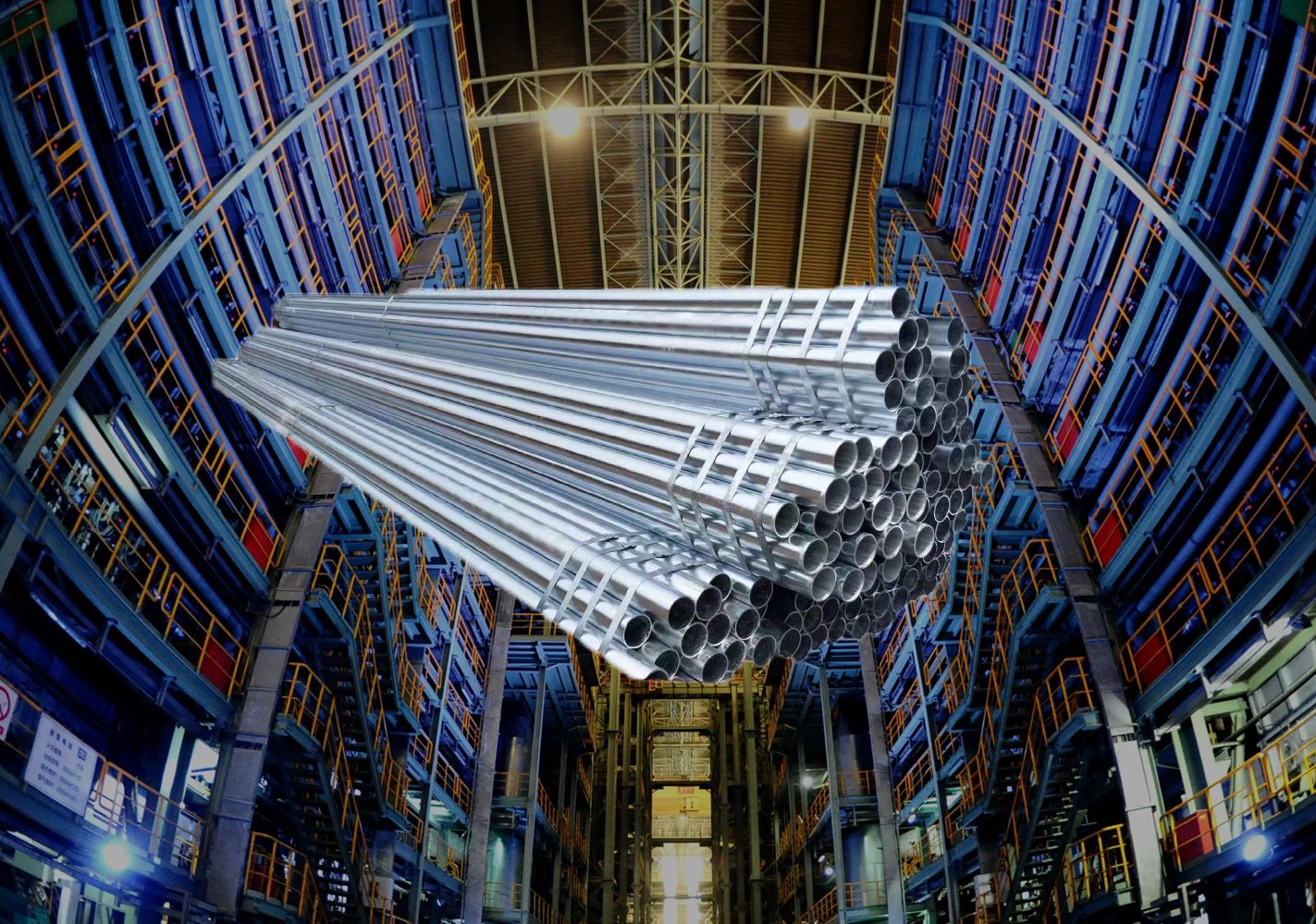



Performance of 316L stainless steel pipe
316L stainless steel pipe is a modified composition of AISl300 austenitic stainless steel pipe in the 1970s in the United States, containing Cr, Ni, Mo type ultra-low carbon stainless steel pipe. 316L stainless steel pipes have good toughness and corrosion resistance, and are widely used in various sectors of modern industry, achieving good results. It has excellent properties that many martensitic and ferritic stainless steel pipes do not possess, such as resistance to high temperature sulfurization, high temperature organic acid corrosion, and non oxidative acid corrosion. Therefore, it is widely used in external materials such as paper industry, pipelines, and coastal buildings. Meanwhile, compared with 1Cr18Ni9Ti stainless steel pipes, 3l6L stainless steel pipes have better resistance to intergranular corrosion and stress corrosion. Therefore, in the process of manufacturing high acid value crude oil in petrochemical plants, if 316L stainless steel pipes are used in parts that are prone to corrosion at high temperatures, it can not only effectively prevent severe corrosion in high-temperature parts, but also reduce impurity content and improve product quality.
In addition, 316L stainless steel pipes have good welding performance. Normally, it is necessary to perform post weld annealing treatment on the welded section of stainless steel pipes in order to achieve good corrosion resistance. If 316L stainless steel pipe is selected, there is no need for post weld annealing to obtain a welded section with good corrosion resistance. Although 316L stainless steel pipes have many excellent comprehensive properties, their corrosion resistance is limited by certain conditions. It is stable in media such as air, water, and neutral solutions, but corrosion damage may occur in harsh environments such as temperature, pressure, and corrosive media. In addition, the steel also has disadvantages such as low hardness, insufficient wear resistance, and is prone to severe adhesion when rubbed against metal counterparts. When used as a sliding component, it is prone to wear and should not be used for equipment or components that bear heavy loads and require hardness and wear resistance. Therefore, further improving the wear resistance and corrosion resistance of 316L stainless steel pipes through surface modification treatment is of great significance for better understanding the wear and corrosion mechanisms of 3L stainless steel pipes and expanding their application fields.


Start Search
Clear records
history record