



Stainless steel
What is the main difference between Q:304 and 316 stainless steel?
Q
304 contains 18% chromium and 8% nickel, which is suitable for general environments such as food equipment; Adding 2% molybdenum to 316 can improve the chloride ion corrosion resistance by 50%, which is specially used in marine/chemical environment.
A
Does stainless steel rust represent unqualified quality?
Q
Not necessarily. Surface floating rust may be caused by carbon steel dust pollution (it can be cleaned with 10% nitric acid), but if the matrix appears red rust, it is a corrosion problem, and the applicability of the material needs to be confirmed.
A
How to deal with the black edge of stainless steel after cutting?
Q
This is a high-temperature oxidation phenomenon. It is suggested that: ① laser cutting is used to reduce the thermal impact; ② stainless steel pickling passivation paste is used immediately after cutting.
A
Why do medical stainless steels have to use 316L?
Q
316l ultra-low carbon (≤0.03%) avoids intergranular corrosion during welding, and has passed ISO 13485 biocompatibility certification, meeting the safety standards of medical devices.
A
What do the surfaces 2B, BA and No.4 of stainless steel plate represent?
Q
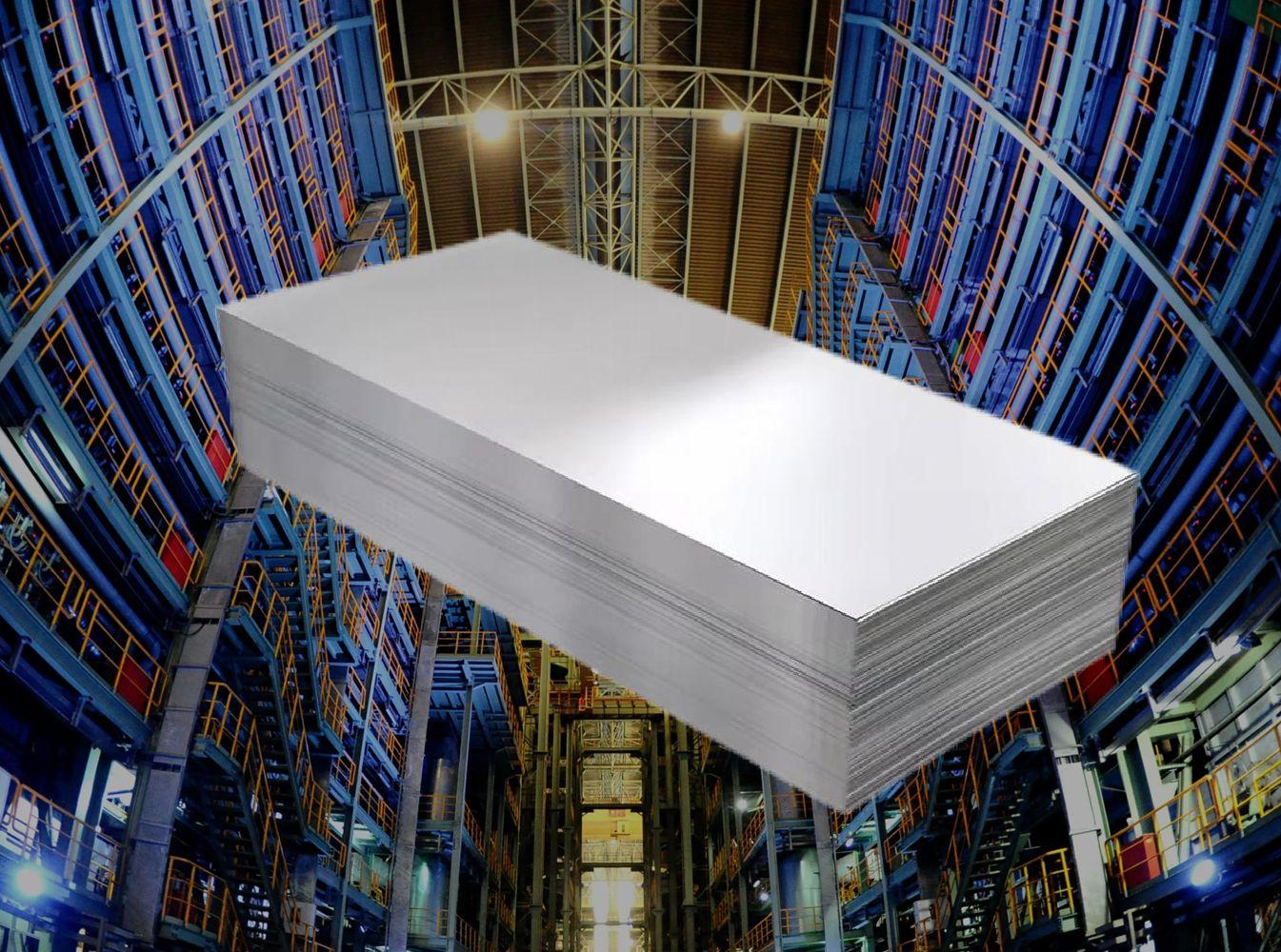
2b is the matte surface of pickling after cold rolling; BA is a bright annealed mirror; No.4 is 180# ground silk grain surface, which is commonly used in architectural decoration.
A
Galvanizing
What is the difference between Q:Z60 and Z180 galvanized coatings?
Q
Z60 stands for double-sided 60g/㎡ (about 8.6μm), which is used in indoor dry environment; Z180 (180 g/≈ 25.7 μ m) is used outdoors, and its salt spray resistance time is more than 1000 hours.
A
How to deal with white rust on galvanized sheet?
Q
This is zinc oxide product (ZnO), which can be wiped with 5% acetic acid solution (pH3), and it needs to be ventilated to avoid condensation during storage.
A
Can galvanized sheet be welded directly?
Q
It needs special craftsmanship! Suggestions: ① Use silicon bronze welding wire (Cusi3); ② The welding current is 15% higher than that of carbon steel; ③ Brush with zinc-rich paint to repair immediately after welding.
A
Which is more corrosion resistant, galvalume or galvanized?
Q
Galvalume (55% Al-Zn alloy) has 2-4 times the corrosion resistance of pure galvanized sheet, especially in the industrial atmosphere containing SO, its service life is over 30 years.
A
How to detect the thickness of galvanized layer?
Q
The first choice is the magnetic thickness gauge (error 3 μ m), and it is necessary to avoid the edge of the plate by 50mm when measuring, and take an average of 9 points (refer to GB/T 13912 standard).
A
Aluminum materials
Which is suitable for hull, 5052 or 6061?
Q
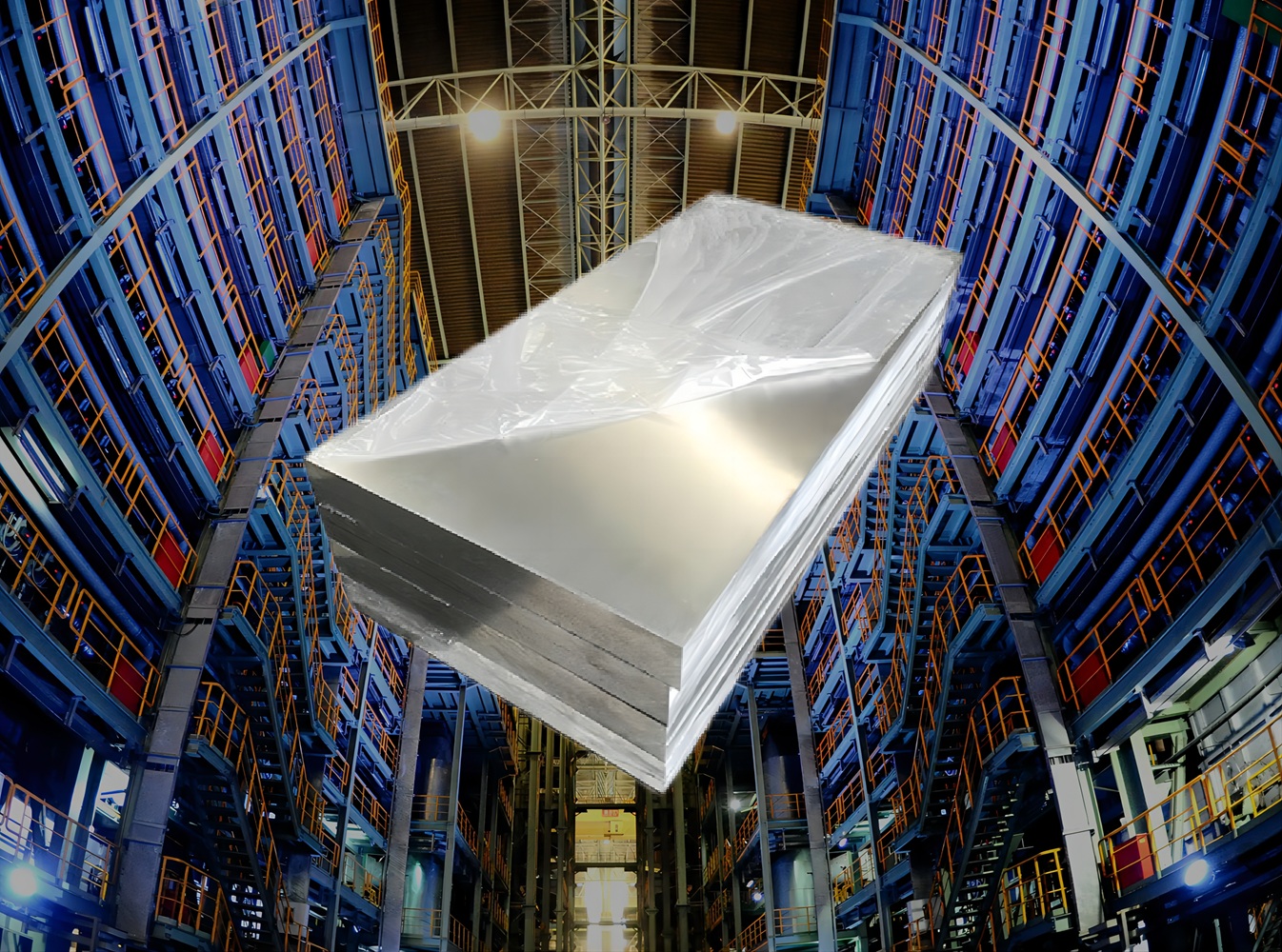
5052 (Al-Mg series) has better seawater corrosion resistance, and its yield strength is 145MPa;. 6061(Al-Mg-Si system) has higher strength (240MPa) but slightly poor corrosion resistance.
A
How to eliminate orange peel on the surface of aluminum plate?
Q
Due to coarse grains, the annealing process needs to be controlled: ①300 series annealing temperature is 350 10℃; ② 5000 series requires 260℃ slow cooling (cooling rate ≤30℃/h).
A
Why does aviation aluminum have to use 7075?
Q
After T6 treatment, the tensile strength of A: 7075 (Al-Zn-Mg-Cu) is 572MPa, 80% higher than that of 6061, and the fatigue limit is 240 MPa (10 7 cycles).
A
What about wrinkling during transportation in aluminum coil?
Q
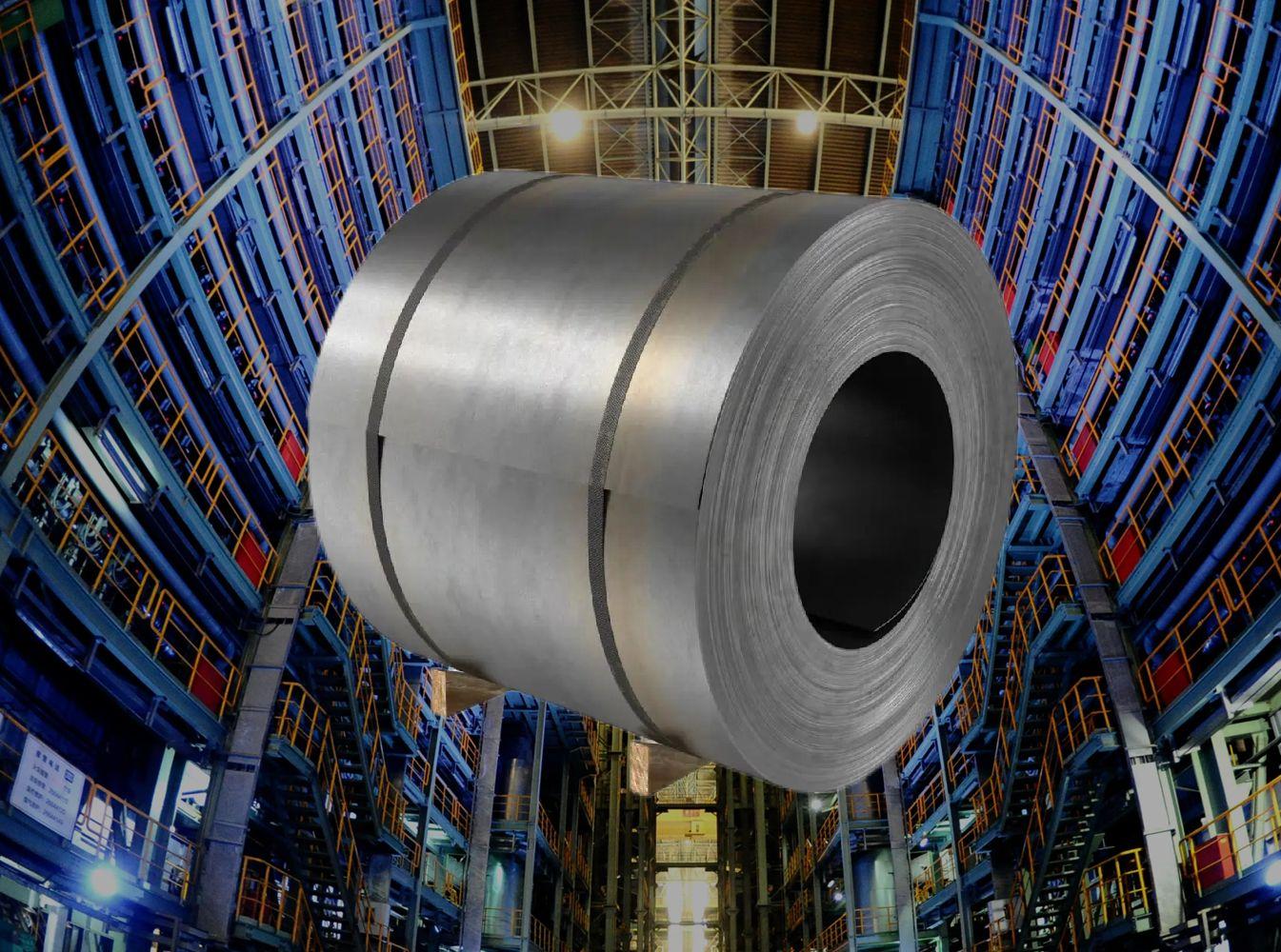
The requirements are as follows: ① The diameter of the winding core is ≥ 1/3 of the plate width; ② The tension is controlled at 0.2-0.5 MPa; ③ A V-shaped frame (with an included angle of 60) is used for transportation.
A
How to choose the anodic oxidation film thickness?
Q
AA10 (10μm) for decoration, AA15 (15μm) for outdoor buildings and AA20 (20μm) or above for military products.
A
Copper materials
What is the difference in conductivity between Q:T2 copper and TU1 oxygen-free copper? What is the difference between the applicable scenarios?
Q
Tu1 oxygen-free copper (oxygen content ≤0.001%) has a conductivity ≥101%IACS, which is 3% higher than that of T2 red copper (oxygen content 0.03%, conductivity 98%IACS). TU1 must be used for high-frequency electronic devices (such as 5G waveguide), and T2 can be used for ordinary power transmission (in line with GB/T 5231 standard).
A
How to avoid blackening and oxidation when welding copper pipes?
Q
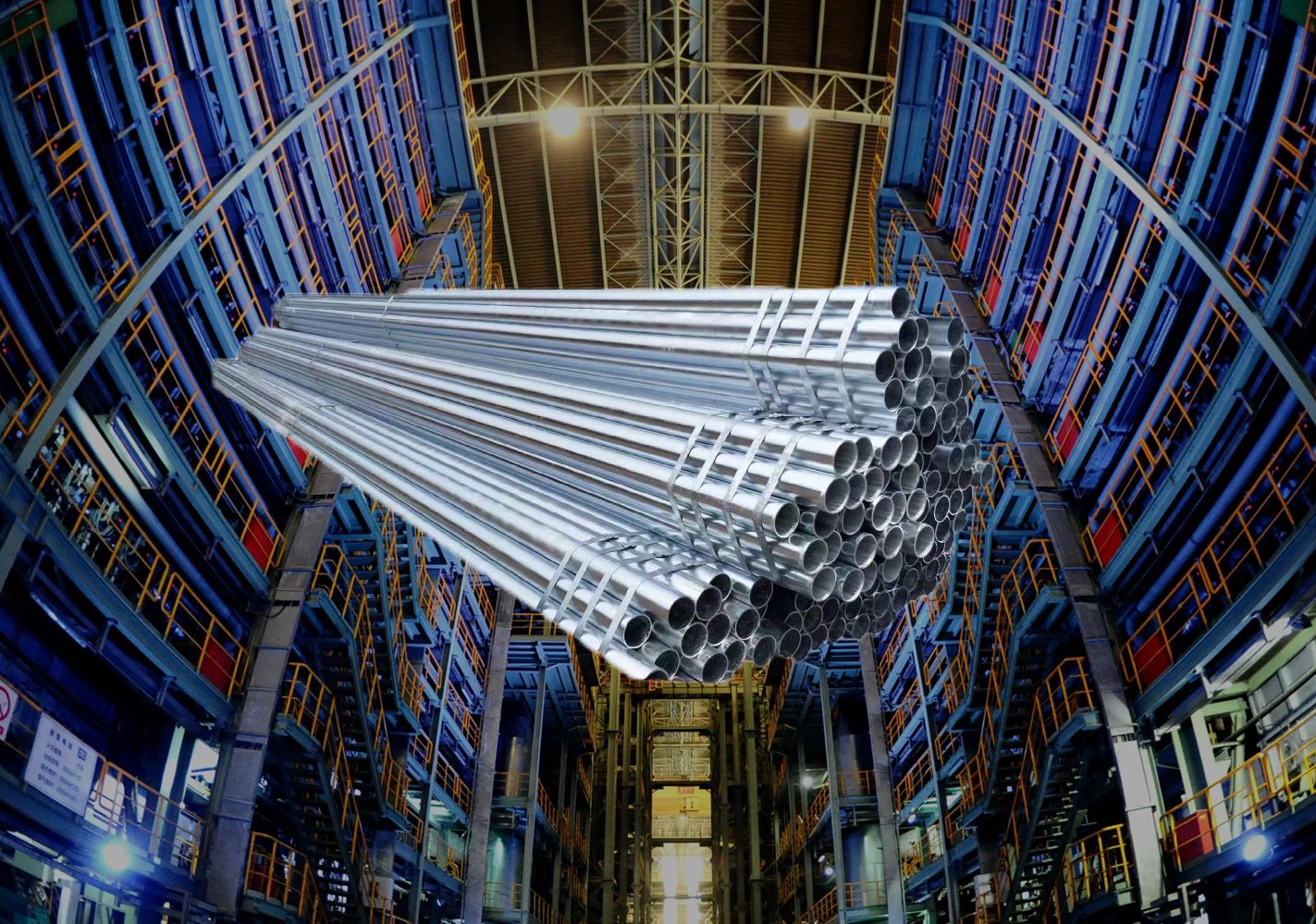
Welding with nitrogen protection: ① Nitrogen flow ≥ 15L/min when the pipe diameter is ≤50mm; ② Scrubbing with 10% citric acid solution immediately after welding; ③ Passivation treatment (BTA benzotriazole solution is recommended).
A
Why does Q:H62 brass crack easily? How to prevent it?
Q
The zinc content of A:H62 is 40% in the "brittle zone", and the cold working deformation should be ≤30%. Annealing before stamping: heating to 600℃ for 1 hour, cooling to 300℃ and air cooling (refer to YS/T 649 process).
A
Which scenarios are suitable for phosphorus deoxidized copper (such as TP2)?
Q
0.015-0.04% phosphorus, 50% high temperature oxidation resistance, specially used for:
Boiler condenser tube (resistant to 300℃ steam) Medical gas pipeline (no oxide shedding pollution) Base metal for welding (fluidity is better than ordinary copper)
Boiler condenser tube (resistant to 300℃ steam) Medical gas pipeline (no oxide shedding pollution) Base metal for welding (fluidity is better than ordinary copper)
A
How to quickly detect the purity of copper?
Q
Two-step preliminary judgment:
Resistivity method: Measure the resistivity with micro-ohm, and Tu1 ≤ 0.01707 Ω mm/m (20℃). Pickling method: when the sample is immersed in 50% nitric acid, uniform and fine bubbles are generated on the surface of high-purity copper, while the bubbles of impurity copper are coarse and uneven.
Resistivity method: Measure the resistivity with micro-ohm, and Tu1 ≤ 0.01707 Ω mm/m (20℃). Pickling method: when the sample is immersed in 50% nitric acid, uniform and fine bubbles are generated on the surface of high-purity copper, while the bubbles of impurity copper are coarse and uneven.
A


Phone:8615358951358

Email:sales1@fuchuansteel.com

Address: Southern Stainless Steel Market in Xinwu District, Wuxi
Start Search
You can search below to find the productyou want, or share our website
Clear records
history record
Copyright © 2025 FUCHUAN METAL CO., LTD. All rights Reserved.
choose an area code