

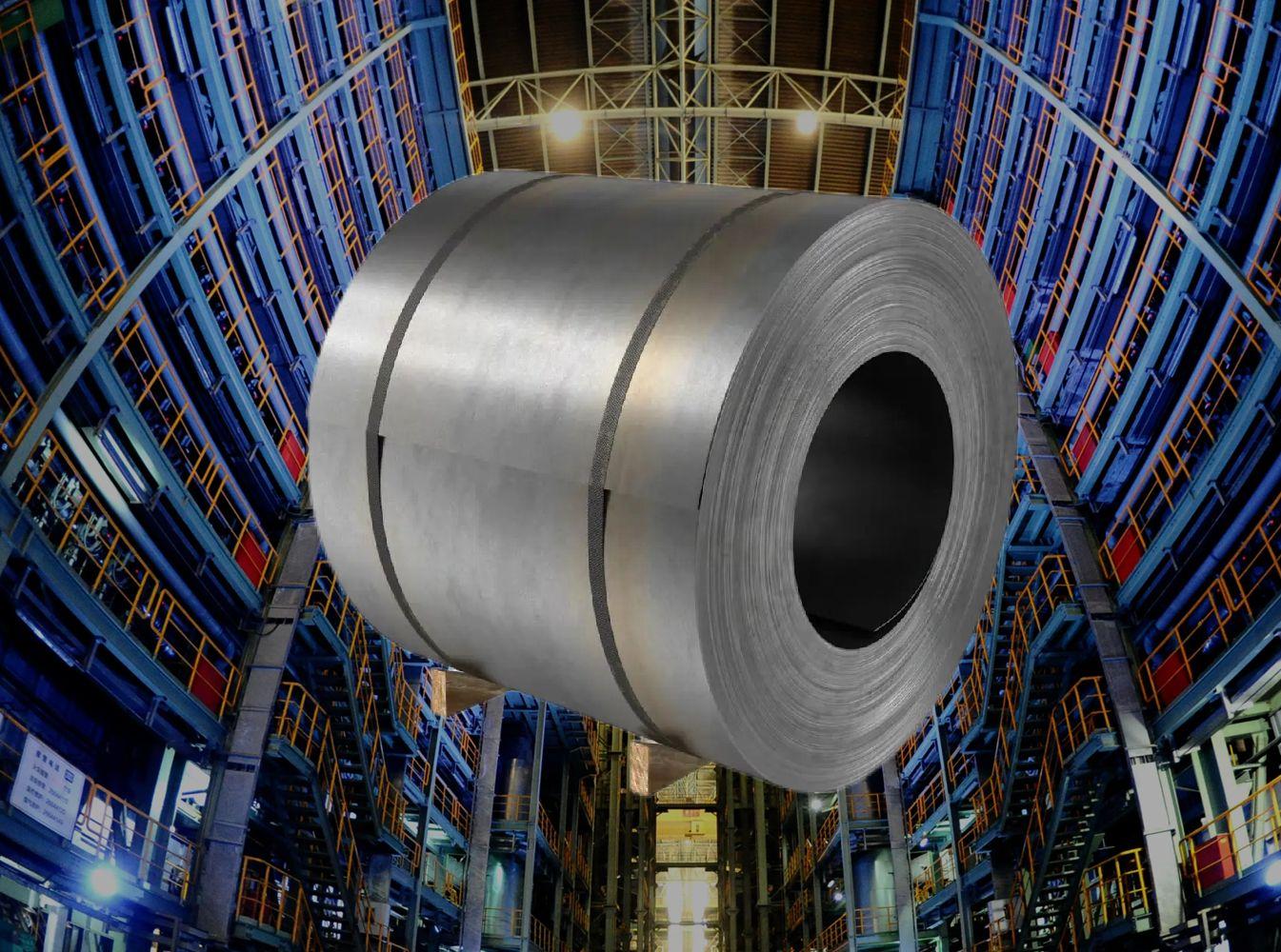
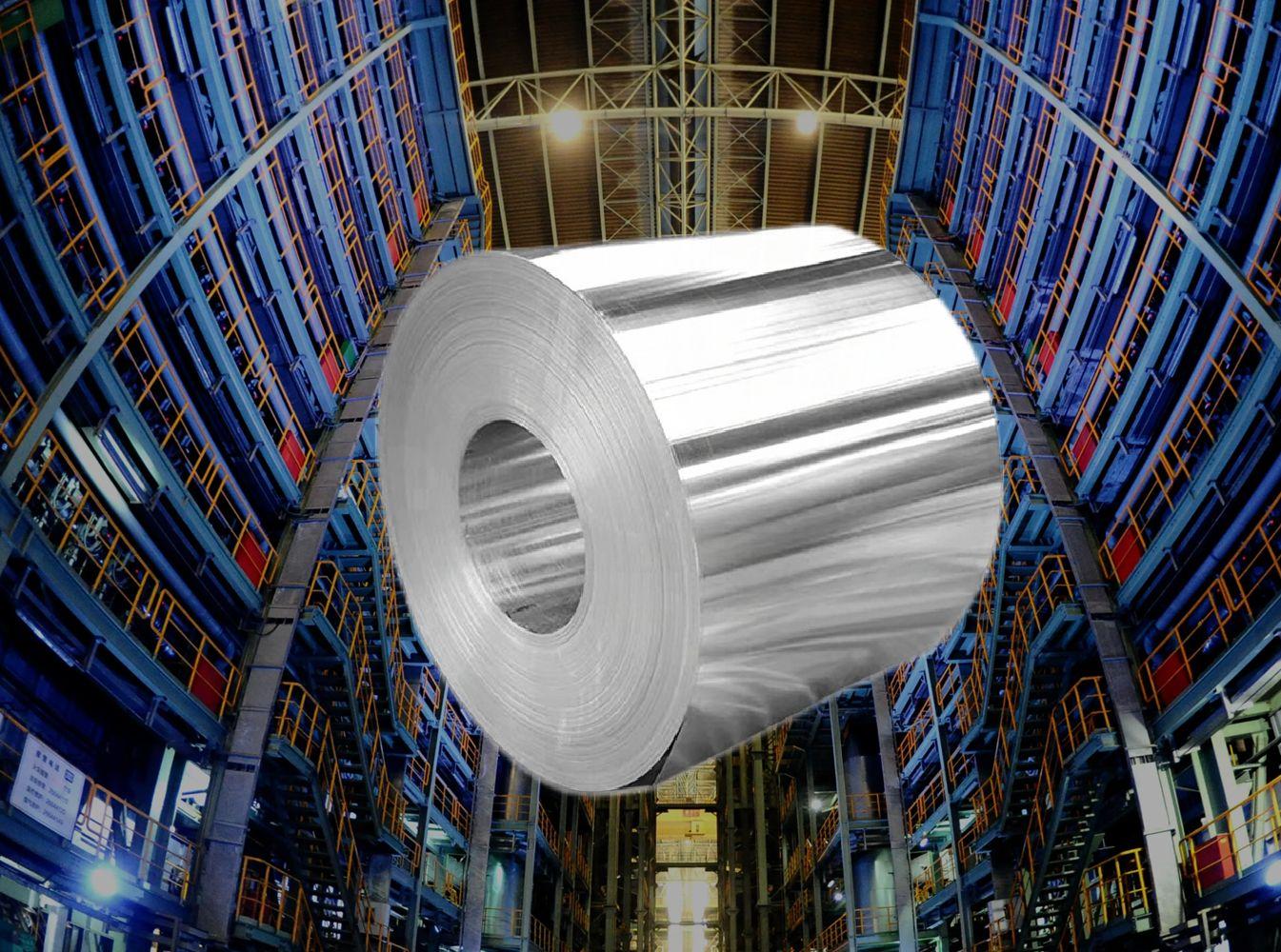



a283 carbon steel coil: Failure Modes in Fabrication and How to Prevent Structural Inconsistency in Industrial Processing
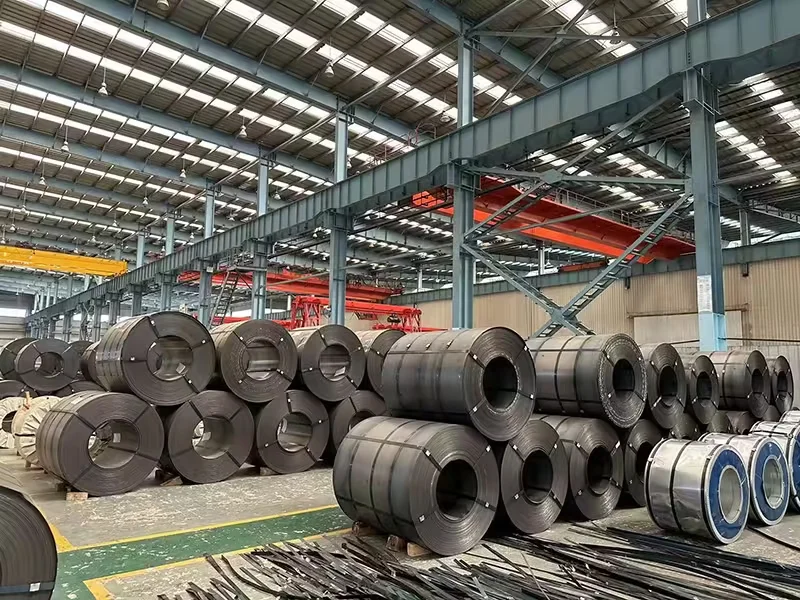
In industrial steel fabrication, unexpected performance variation in a283 carbon steel coil is one of the most common causes of production inefficiency. While the material is classified as a general structural carbon steel, real-world failures rarely originate from design miscalculation—they originate from material behavior inconsistency during processing.
This article analyzes failure modes observed in welding, forming, and structural assembly processes, and explains how coil-level characteristics directly influence production stability.
Why A283 Performance Issues Are Often Misdiagnosed
When fabrication problems occur, they are often attributed to machine settings or operator variability. However, in many cases, the root cause lies in coil-level inconsistency that cannot be corrected through process adjustment alone.
Typical misdiagnosed issues include:
Cracking at bending edges
Irregular weld penetration
Unexpected deformation after assembly
Coating adhesion failure after finishing
These issues are often linked to variation in microstructure, thickness distribution, or residual stress within the a283 carbon steel coil itself.
Failure Mode 1: Edge Cracking During Cold Forming
One of the most common issues in A283 processing is edge cracking during bending or roll forming.
This typically occurs due to:
Non-uniform grain elongation across coil width
Excessive residual stress from hot rolling
Localized hardness variation near coil edges
In real production, this leads to rejected parts in structural frames, brackets, and enclosure components.
The risk increases when bending radius is too tight relative to material elongation capability, but even within acceptable design limits, inconsistent coil quality can still trigger failure.
Failure Mode 2: Welding Instability in High-Speed Fabrication Lines
A283 carbon steel coil is widely used in automated welding systems, where stability is critical.
Welding defects commonly observed include:
Porosity in weld seams
Inconsistent bead formation
Excessive spatter under stable electrical settings
These issues are often caused by:
Surface contamination from incomplete descaling
Chemical composition variation between coil batches
Localized carbon or sulfur concentration fluctuations
In high-speed production environments, even minor instability leads to cumulative quality loss across large batches.
Failure Mode 3: Dimensional Drift After Assembly
Structural assemblies using A283 materials often exhibit dimensional deviation after welding or load application.
This is primarily caused by:
Internal residual stress release during heat exposure
Thickness variation across coil length
Uneven thermal expansion during welding cycles
As a result, large structural panels may require rework or mechanical correction after assembly, increasing production cost and time.
Failure Mode 4: Surface Coating Failure After Fabrication
Coating adhesion issues are frequently observed in painted or galvanized A283 components.
Common symptoms include:
Peeling after curing
Uneven coating thickness
Localized corrosion after exposure
Root causes include:
Residual rolling scale
Inconsistent surface roughness
Oil or contamination residues from coil handling
Surface preparation quality at the coil stage directly determines coating performance stability.
Process Control Variables That Influence Performance
In industrial applications, a283 carbon steel coil behavior is influenced by several controllable and non-controllable variables.
Key controllable factors include:
Rolling temperature consistency
Cooling rate uniformity during coiling
Pickling and descaling efficiency
Coil tension control during winding
Non-controllable but impactful factors include:
Raw material composition variation
Transportation-induced stress deformation
Storage humidity and oxidation exposure
Understanding these variables is essential for reducing downstream failure rates.
Material Selection Strategy for Stable Fabrication
Selecting the correct A283 coil requires evaluating not only mechanical specification but also process compatibility.
Stable fabrication performance is achieved when:
Thickness variation is tightly controlled across coil width
Surface condition supports consistent welding and coating
Microstructure is uniform across production batches
For high-volume production lines, consistency between coils is often more important than peak mechanical performance.
Process Optimization in Fabrication Lines
Even with high-quality a283 carbon steel coil, process parameters must be aligned with material behavior.
Welding parameters should account for heat input sensitivity of low-carbon steel. Forming equipment should be calibrated based on actual elongation response rather than nominal values.
In coating lines, surface activation processes such as shot blasting or chemical cleaning may be required depending on upstream coil finishing quality.
Role of Supplier Quality in System Stability
Material stability begins at the supply stage.
Fuchuan Metal Co., Ltd. provides steel products including carbon steel coils and alloy materials used in structural and industrial applications.
In A283 production, supplier-level control over rolling precision, chemical composition stability, and surface treatment consistency plays a decisive role in downstream fabrication success.
Conclusion
Failures in a283 carbon steel coil applications are rarely random. They are the result of accumulated inconsistencies across rolling, processing, and fabrication stages.
By understanding failure modes such as edge cracking, welding instability, dimensional drift, and coating failure, industrial users can better align material selection with process conditions.
Stable performance is achieved not by adjusting fabrication alone, but by ensuring coil-level consistency that supports predictable mechanical and chemical behavior throughout the entire production lifecycle.


Start Search
Clear records
history record