




Carbon Steel Pipe Selection Guide: How to Balance Strength, Cost, and Corrosion Resistance
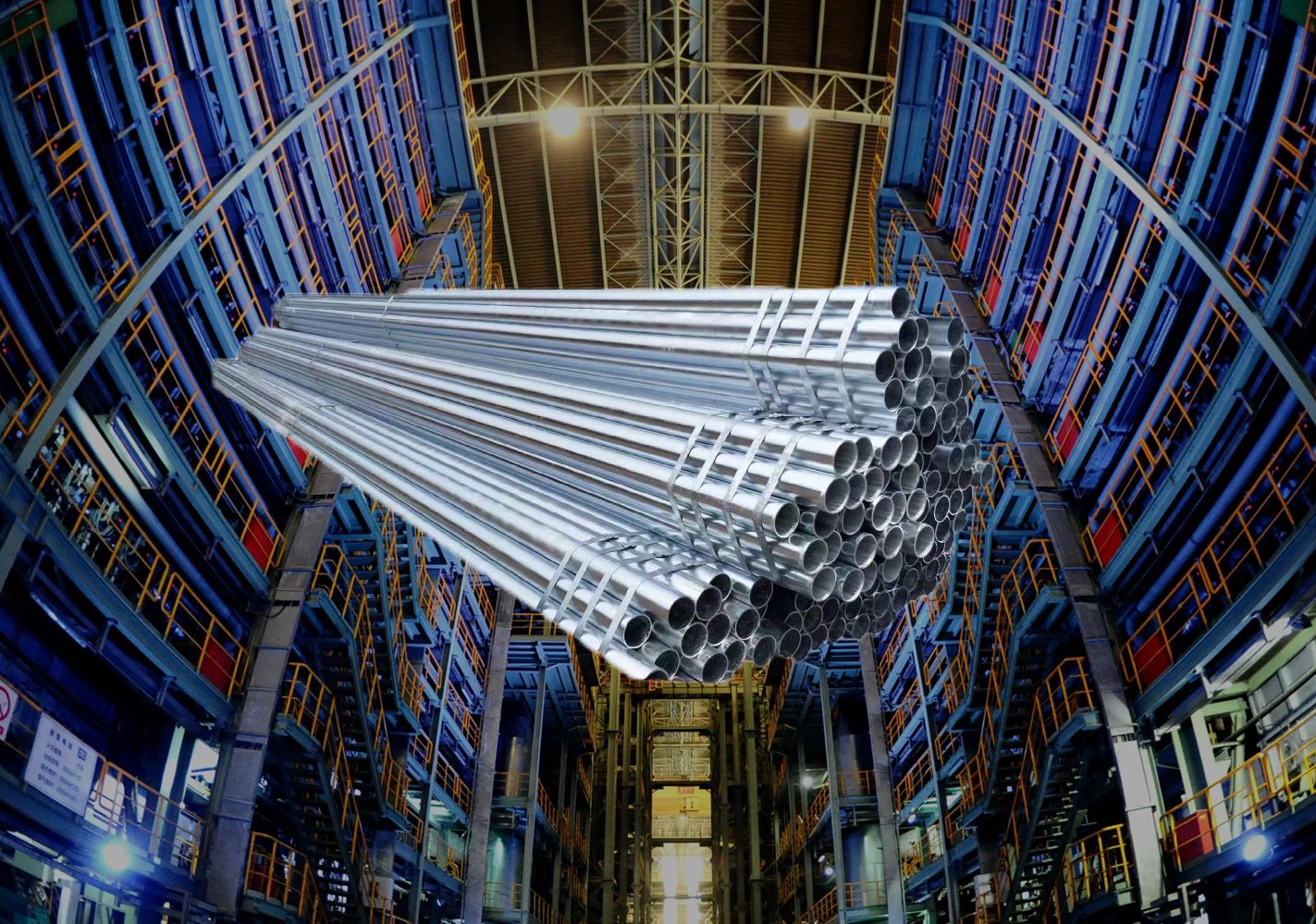
In industrial pipeline systems, material selection directly affects project safety, maintenance frequency, operating pressure stability, and long-term investment return. Among various piping materials used across oil & gas, construction, water treatment, machinery manufacturing, energy, and chemical processing industries, the carbon steel pipe remains one of the most widely used solutions because of its balance between mechanical strength, fabrication flexibility, and cost efficiency.
However, not all carbon steel pipes perform equally under industrial operating conditions. Pipe quality depends heavily on steel grade selection, manufacturing process, dimensional accuracy, heat treatment control, and surface condition. For industrial buyers, choosing the right carbon steel pipe is no longer only about diameter and wall thickness. It increasingly requires evaluating how the material behaves under pressure, temperature fluctuation, corrosive environments, and long-term mechanical stress.
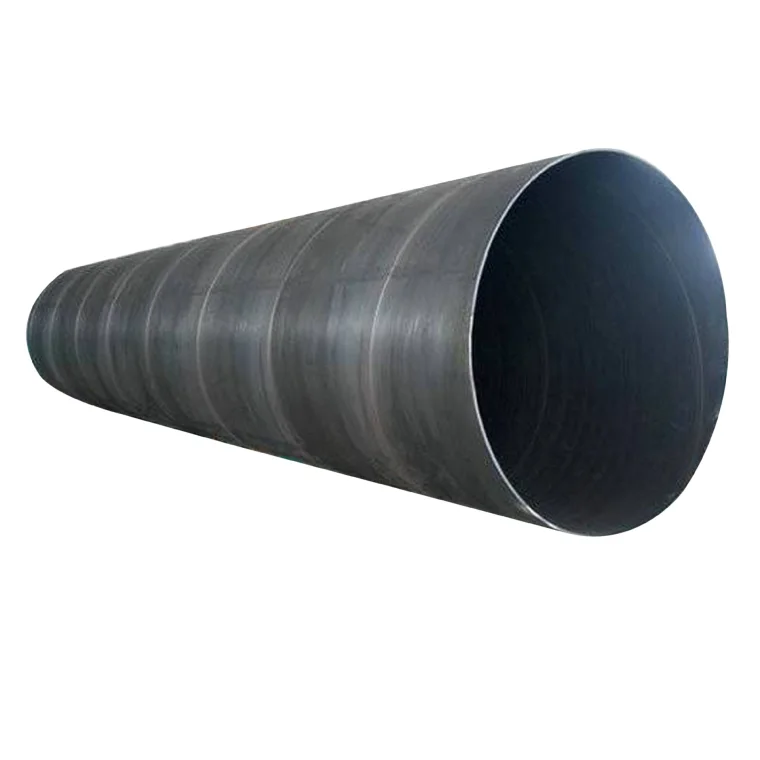
As industrial projects become more demanding, understanding the technical differences between carbon steel pipe products has become essential for achieving stable system performance and lower lifecycle costs.
Why Carbon Steel Pipe Remains Dominant in Industrial Applications
Although stainless steel, alloy steel, and composite piping systems continue expanding in specialized markets, carbon steel pipe remains highly competitive because of its mechanical versatility and relatively low material cost.
Carbon steel pipe is widely used in:
Oil and gas transportation
Boiler systems
Structural engineering
Fire protection systems
Water transmission pipelines
Machinery manufacturing
Pressure vessel fabrication
Industrial fluid transport
One major advantage is its high load-bearing capability under both internal pressure and external structural stress.
Compared with plastic piping materials, carbon steel offers:
Higher tensile strength
Better impact resistance
Superior high-temperature performance
Greater structural rigidity
Compared with stainless steel, carbon steel generally provides lower raw material cost and easier large-scale procurement, especially for high-volume infrastructure projects.
A professional carbon steel pipe supplier must therefore focus on optimizing mechanical reliability while controlling production consistency and cost efficiency.
Manufacturing Method Strongly Affects Pipe Performance
The production process directly determines pipe structure, dimensional precision, and pressure resistance capability.
Industrial carbon steel pipes are typically divided into seamless pipes and welded pipes.
Seamless carbon steel pipe is manufactured through billet piercing and hot rolling processes without longitudinal weld seams. This structure provides more uniform mechanical properties and higher pressure-bearing capability.
Seamless pipes are commonly used in:
High-pressure boiler systems
Petroleum pipelines
Chemical processing equipment
Heat exchangers
High-temperature fluid transport
Welded carbon steel pipe is produced by forming steel strip or steel plate into tubular shapes followed by longitudinal or spiral welding.
Modern welded pipe manufacturing technologies have improved significantly, allowing many welded products to achieve stable dimensional accuracy and mechanical performance suitable for:
Structural applications
Low- and medium-pressure fluid transport
Water systems
Construction engineering
However, weld integrity remains a critical quality factor.
A reliable carbon steel pipe manufacturer typically performs:
Ultrasonic testing
Eddy current inspection
Hydrostatic pressure testing
X-ray weld inspection
These procedures help ensure weld stability under industrial operating conditions.
Steel Grade Selection Determines Service Life
Different industrial environments require different carbon steel compositions.
Low-carbon steel generally offers:
Better weldability
Improved ductility
Easier fabrication
Medium-carbon steel provides:
Higher tensile strength
Better wear resistance
Increased hardness
However, increased carbon content may reduce weldability and corrosion resistance.
In industrial pipeline projects, common considerations include:
Operating pressure
Fluid characteristics
Temperature range
Corrosion exposure
Fabrication requirements
For example, pipelines transporting corrosive fluids may require internal coatings or alloy upgrades, while high-temperature steam systems demand stronger thermal stability.
A professional carbon steel pipe supplier should provide material recommendations based on actual service conditions rather than standard specifications alone.
Wall Thickness Directly Influences Pressure Capacity
One of the most important technical parameters in carbon steel pipe selection is wall thickness.
Pipe wall thickness determines:
Pressure resistance
Mechanical rigidity
Impact resistance
Fatigue performance
Industrial projects commonly use SCH (Schedule) standards to define pipe wall thickness.
For example:
SCH 40 is widely used in medium-pressure systems
SCH 80 offers higher pressure resistance
SCH 160 supports heavy industrial applications
However, thicker walls also increase:
Pipe weight
Transportation cost
Welding difficulty
Material consumption
An optimized pipeline design balances pressure requirements with installation efficiency and total project cost.
Experienced carbon steel pipe manufacturers maintain strict dimensional tolerances to ensure stable wall thickness consistency throughout the entire pipe length.
Corrosion Protection Is Critical for Long-Term Reliability
Although carbon steel provides strong mechanical performance, its corrosion resistance is lower than stainless steel and nickel alloys.
Without proper protection, carbon steel pipe may experience:
Surface oxidation
Pitting corrosion
Internal scaling
Wall thinning
Structural weakening
Corrosion risk becomes especially serious in:
Marine environments
Chemical plants
Underground pipelines
Humid industrial facilities
To improve durability, industrial carbon steel pipes often use:
Galvanized coatings
Epoxy coatings
3PE anti-corrosion systems
Internal lining technologies
Cathodic protection systems
The selection of corrosion protection technology depends heavily on environmental conditions and fluid composition.
A professional carbon steel pipe supplier should evaluate both external and internal corrosion risks during material selection.
Heat Treatment Improves Mechanical Stability
Heat treatment significantly influences the microstructure and mechanical behavior of carbon steel pipe.
Processes such as:
Normalizing
Annealing
Quenching
Tempering
help improve:
Grain uniformity
Toughness
Residual stress control
Crack resistance
For high-pressure or high-temperature applications, heat-treated pipes often provide more stable long-term performance.
Improper heat treatment, however, may create:
Brittleness
Uneven hardness
Reduced fatigue resistance
A reliable carbon steel pipe manufacturer must therefore maintain strict thermal processing controls during production.
Dimensional Accuracy Affects Installation Efficiency
In large industrial projects, dimensional inconsistency can significantly increase installation time and welding difficulty.
Poorly controlled pipe dimensions may lead to:
Misalignment
Welding stress concentration
Leakage risk
Additional fitting adjustments
Modern industrial projects increasingly require high-precision manufacturing to support automated welding and modular construction systems.
Critical dimensional parameters include:
Outer diameter tolerance
Wall thickness deviation
Straightness
Ovality
End bevel precision
Advanced manufacturing lines use automated measurement systems to improve dimensional consistency across large production volumes.
Surface Quality Influences Downstream Processing
Surface defects may reduce coating adhesion, increase corrosion risk, and complicate welding operations.
Industrial carbon steel pipe production therefore includes multiple surface inspection procedures.
Common defects requiring control include:
Cracks
Laminations
Surface pits
Scale accumulation
Weld undercutting
Surface preparation quality becomes particularly important for pipes requiring:
Painting
Galvanizing
Internal lining
High-pressure welding
A professional manufacturer pays close attention to both internal and external surface conditions before shipment.
Supply Stability Matters in Large Industrial Projects
For infrastructure, energy, and industrial construction projects, delivery consistency is often as important as material quality.
Project delays caused by unstable pipe supply can significantly increase overall construction costs.
A strong carbon steel pipe supplier should maintain:
Stable raw material sourcing
Large-scale production capability
Flexible inventory management
Export logistics experience
Quality traceability systems
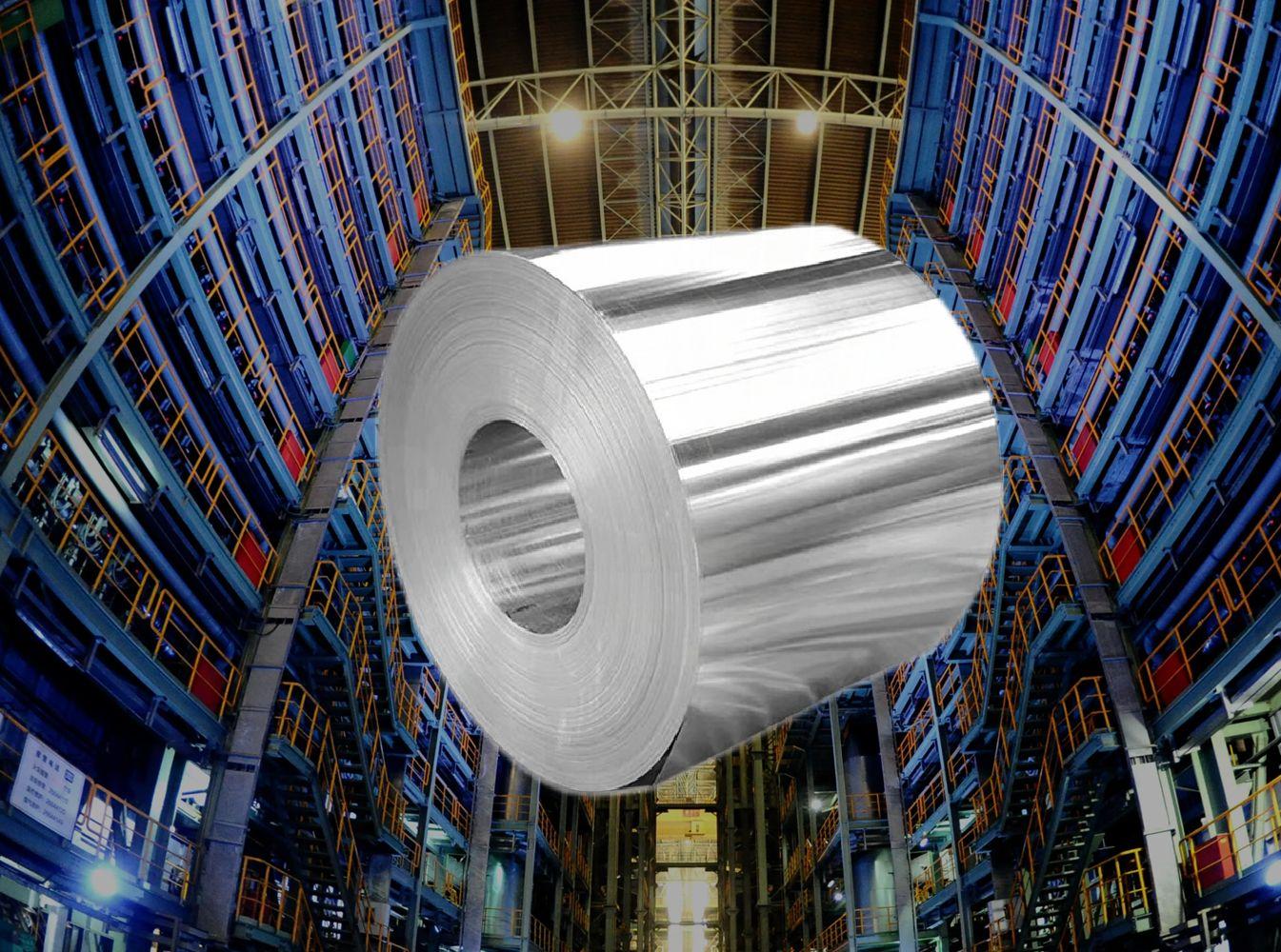
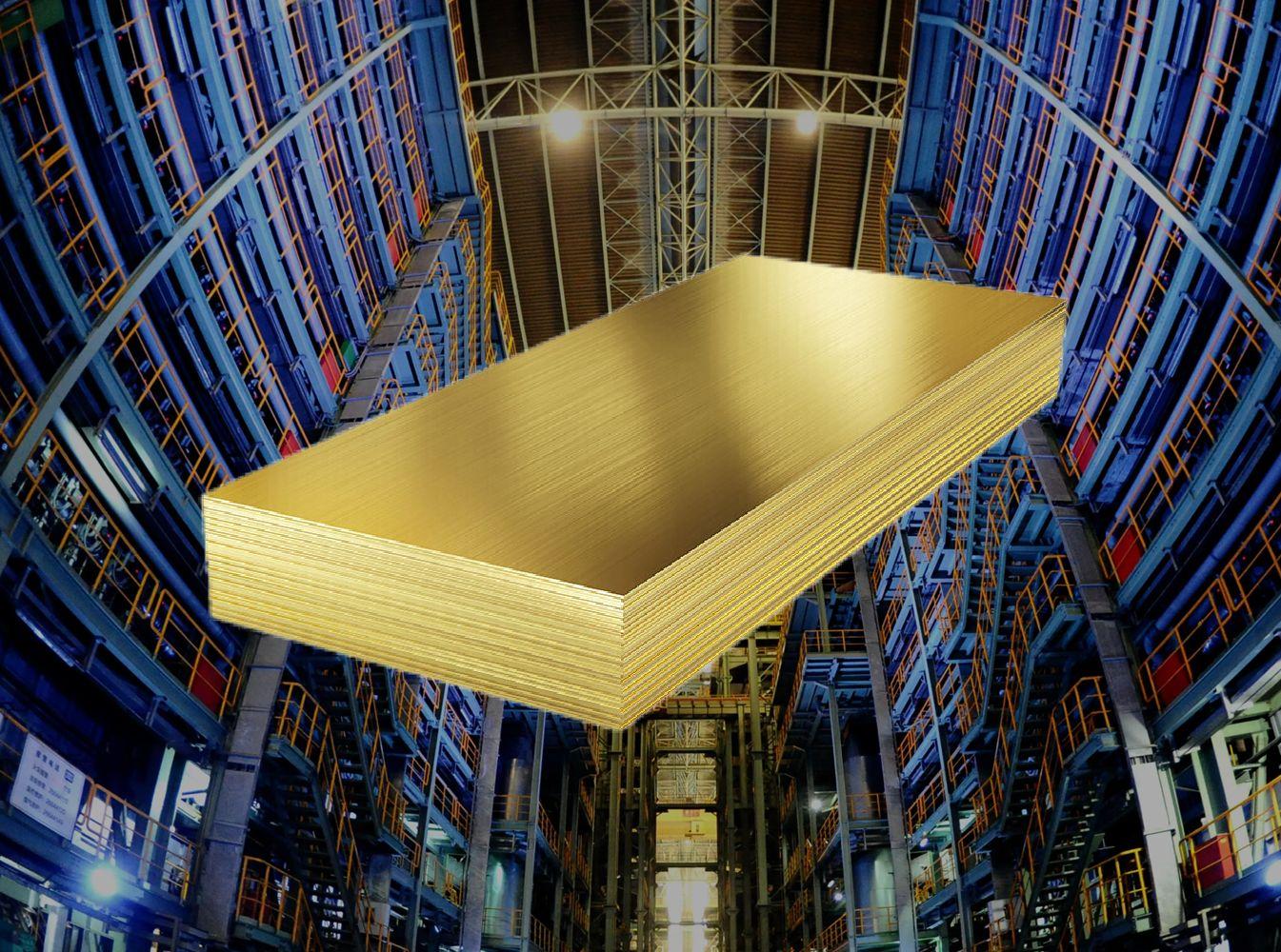
Fuchuan Metal Co., Ltd., as a professional metal export enterprise, supplies stainless steel coils, plates, pipes, nickel-based alloys, high-temperature alloys, aluminum, copper products, and industrial metal materials for sectors including petrochemical processing, shipbuilding, energy systems, heat exchangers, environmental engineering, and aerospace manufacturing.
Broad industrial material experience allows suppliers to better support diversified pipeline system requirements across global industrial applications.
Conclusion
The modern carbon steel pipe industry is no longer driven only by basic steel production capacity. Industrial users now require higher dimensional precision, stronger corrosion protection, stable mechanical performance, and more reliable long-term operating capability.
Selecting the right carbon steel pipe requires evaluating manufacturing method, steel grade, heat treatment quality, wall thickness consistency, corrosion resistance strategy, and overall production reliability.
As industrial systems continue operating under higher pressure, higher temperature, and more demanding environmental conditions, professionally engineered carbon steel pipe solutions remain essential for ensuring safe and efficient fluid transportation infrastructure.


Start Search
Clear records
history record